Plan Your Triglav Hike
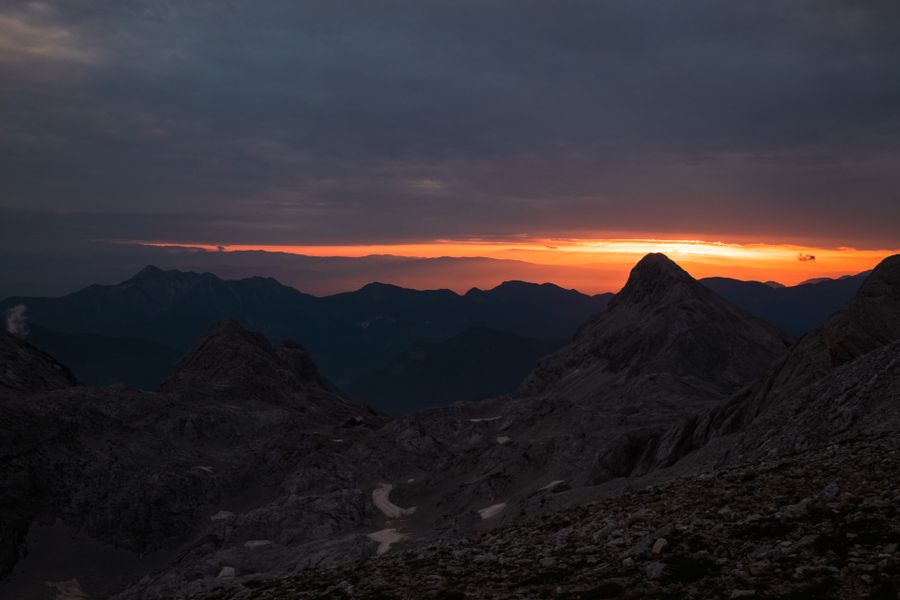
Discover Slovenia's highest peak and national symbol - a stunning limestone mountain offering breathtaking views of the Julian Alps, emerald lakes, and pristine Alpine valleys
Discover Slovenia's highest peak and national symbol - a stunning limestone mountain offering breathtaking views of the Julian Alps, emerald lakes, and pristine Alpine valleys
Plan access and guided options for Triglav. Use the official park or climb site for permits, fees, and safety rules. Use a trusted partner for guided hikes, transfers, and day tours with mobile tickets. Confirm altitude, weather, and inclusions before you book.

Best for Triglav National Park rules, trails, and mountain hut context.
When guided options are available for this mountain, book with a trusted operator and confirm inclusions, altitude, and cancellation terms.
Choose the official site for permits and park rules. Choose a partner tour when you want logistics handled (pickup, guide, timed entry) on a short trip.
Guided product cards will appear here when partner tours are curated for Triglav. Until then, use the official link above and the route notes below.
Use the official site for access rules, then check trusted local guides if you want a supported day.

Experience Slovenia's highest peak and most beloved national symbol, with its distinctive three-headed limestone summit and deep cultural significance to the Slovenian people.
Spot chamois, ibex, golden eagles, and unique Alpine flora including endemic species found only in the Julian Alps and surrounding limestone ranges.
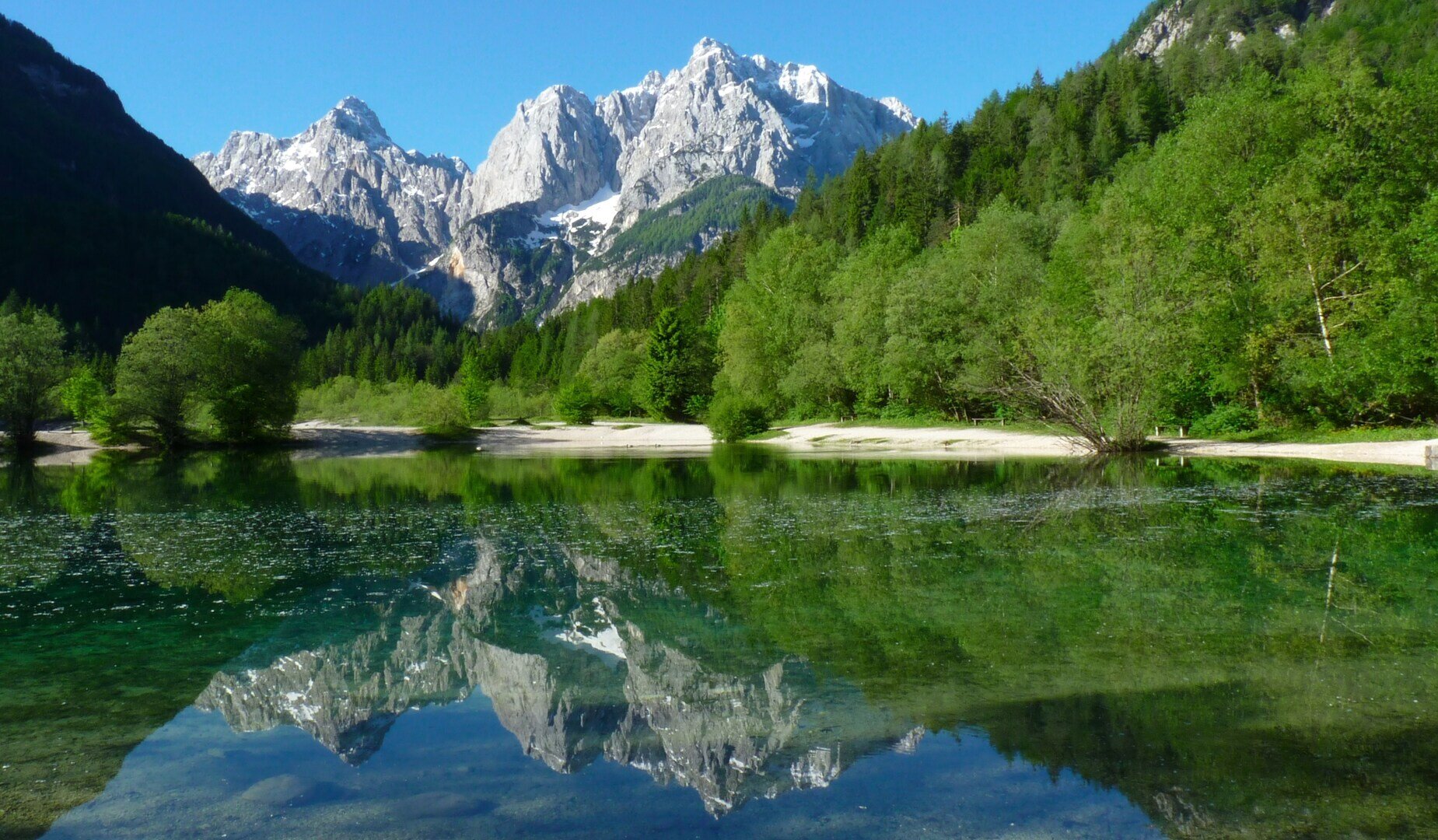
Discover stunning glacial lakes like Lake Bled and Lake Bohinj, crystal-clear mountain tarns, and the famous Valley of Seven Lakes with their pristine turquoise waters.
Conditions around Triglav change fast. Check a mountain forecast the morning you hike.
Long approaches and busy summit routes are safer and quieter with a dawn start.
Stay on marked trails, pack out waste, and respect local access rules and wildlife.
Trail conditions, permits, and weather change. Confirm details on tnp.si before you go.
Slovenia's highest peak and national symbol.
High hut below the summit climb.
Protected climbing near the top.
Routes from Vrata, Krma, or Pokljuka.
Common lowland stop after the mountains.
Protected alpine landscape around the peak.
What should I wear for hiking Triglav?
Wear sturdy mountain boots, layered clothing for all weather conditions, and waterproof gear. Alpine weather is unpredictable and can change rapidly.
Are the trails family friendly?
Some easier trails around Lake Bled and Vintgar Gorge are suitable for families. The main Triglav summit trails are demanding and require excellent fitness. The summit is for experienced mountaineers only.
Are there any fees to hike Triglav?
Most trails in Triglav National Park are free to access. However, some attractions like Vintgar Gorge have entry fees, and mountain huts charge for accommodation and meals.
Can I photograph the mountain?
Absolutely. Triglav offers spectacular photo opportunities, especially from Lake Bled and various Alpine viewpoints. Please stay on marked trails and respect the pristine Alpine environment.
When is the best time to visit?
June to September offers the best conditions, though weather is always unpredictable in the Alps. Winter hiking requires mountaineering experience due to snow and ice conditions.
Is the mountain wheelchair accessible?
Some areas around Lake Bled and certain park facilities have accessible paths, but the mountain trails themselves are not wheelchair accessible due to their steep and rocky terrain.
Mount Triglav, rising 2,864 meters above the Alpine valleys, stands as Slovenia's highest peak and most cherished national symbol. Its distinctive three-headed limestone summit has made it an icon of Slovenian identity and Alpine mountaineering tradition.
The mountain is the centerpiece of Triglav National Park, Slovenia's only national park, which protects pristine Alpine landscapes including emerald lakes, dramatic gorges, and unique karst formations. The area is home to chamois, ibex, golden eagles, and rare Alpine flora endemic to the Julian Alps.